Sanctuaries, city halls, and community centers each pack a lot of people into a few big rooms — and then ask the mechanical, electrical, and plumbing systems to disappear. Red Brick Engineering designs MEP for worship, civic, and recreation facilities that stay quiet, stay comfortable at full occupancy, and stay cheap to run once the grand opening is over.
Religious, civic, and recreation projects share a hard problem: the design load swings from nearly empty to standing-room-full and back in the space of an hour. A worship hall fills for a service, a council chamber packs out for a hearing, a gym floods for a tournament. We size and zone systems around that swing so a room isn't roasting when it's full or overcooling when it's empty — and so the equipment isn't short-cycling itself to an early grave in between.
As an MEP engineer for religious, civic, and recreation work, we design around the way these buildings are governed as much as how they're occupied. Congregations, municipalities, and parks departments answer to boards, councils, and taxpayers, which means the lowest first cost is rarely the right call and the lowest lifetime cost usually is. We bring that lens to every equipment and layout decision.
A big assembly room is an acoustic instrument whether you want it to be or not. Diffuser selection, duct velocities, return-air paths, and equipment placement all decide whether a pastor, a presenter, or a referee's whistle can be heard over the mechanical system. We design large-assembly HVAC with sound in mind from the start — low face velocities, generous duct sizing where it counts, and equipment located and isolated so it doesn't bleed into the room.
High-occupancy spaces also drive serious ventilation. We calculate outdoor-air requirements to code for the real occupant count, then use strategies like demand-controlled ventilation so the building isn't paying to condition fresh air for a crowd that isn't there. In our climate that also means correct heating design — our cold-climate and high-altitude heating experience carries directly into civic and recreation buildings at Mountain-West elevations.
In these buildings the technology is the experience. Worship spaces live on sound reinforcement and projection; council chambers need microphones, recording, and public-meeting broadcast; rec centers run scoreboards, PA, and access control. We coordinate power, conduit pathways, and low-voltage infrastructure with the AV and technology consultants early, so the electrical design supports the AV design instead of fighting it — clean power, adequate raceway, and device locations that match how the room is really run.
The same coordination discipline applies to lighting control, security, and networking. Getting the rough-in right the first time is what keeps these fit-outs from turning into a field of surface-mounted conduit and change orders.
Recreation programs often bring water — pools, splash features, locker rooms, and the natatorium environments that come with them. Indoor pools are among the most unforgiving spaces in the built environment: get humidity control wrong and the building corrodes, the structure sweats, and indoor air quality suffers. We approach natatorium and high-humidity spaces with the dedicated dehumidification, ventilation, and corrosion-aware material and equipment selection they require, and we're candid about where a specialized pool-dehumidification manufacturer belongs on the team.
Elsewhere in these buildings, plumbing design is built for public volume and public abuse — durable fixtures, sane hot-water sizing for locker rooms and commercial kitchens, and layouts that a facilities crew can maintain without a service call for every leak.
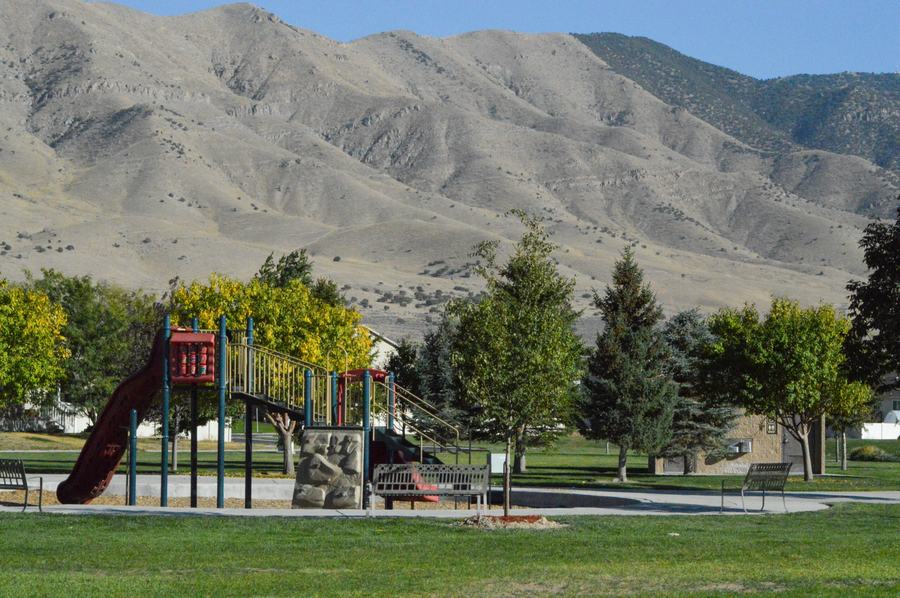
Park and recreation buildings live outside the tidy assumptions of a conditioned office: exposure, freeze protection, intermittent use, and maintenance staff who may be miles away all shape the right design. The MEP scope has to be rugged, low-maintenance, and sized for a facility a parks department will own for decades.
We engineer that reality up front — durable equipment, straightforward controls, and systems a municipal crew can actually keep running on a public budget rather than a specialist's retainer.
Mechanical, electrical, and plumbing — designed and stamped by the same principal engineer.